The Holmoi staters of Type 2.1 (Figure 1) are iconographically similar to a type of stater issued by Side in Pamphylia, with Athena holding Nike and a shield on the obverse and Apollo holding a laurel sceptre and pouring a libation on the reverse (Figures 2–3). The aphlaston held by the goddess Nike on the Holmoi coins may allude to a naval victory or, more generally, to the city’s naval power. On the Side coins, Nike holds a wreath.
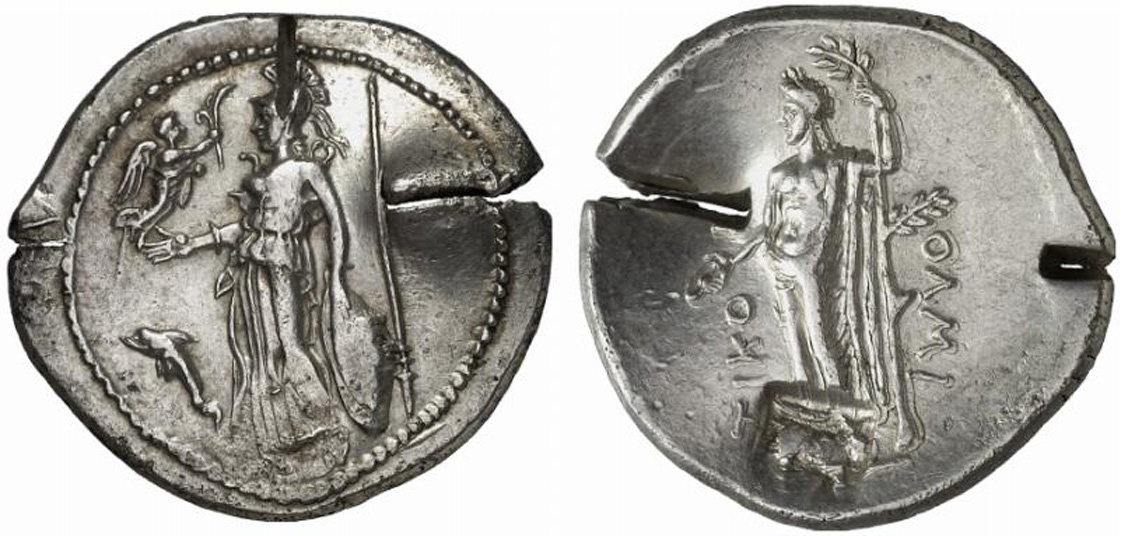
Figure 1. Holmoi. Stater, 4th century BC. Type 2.1a.
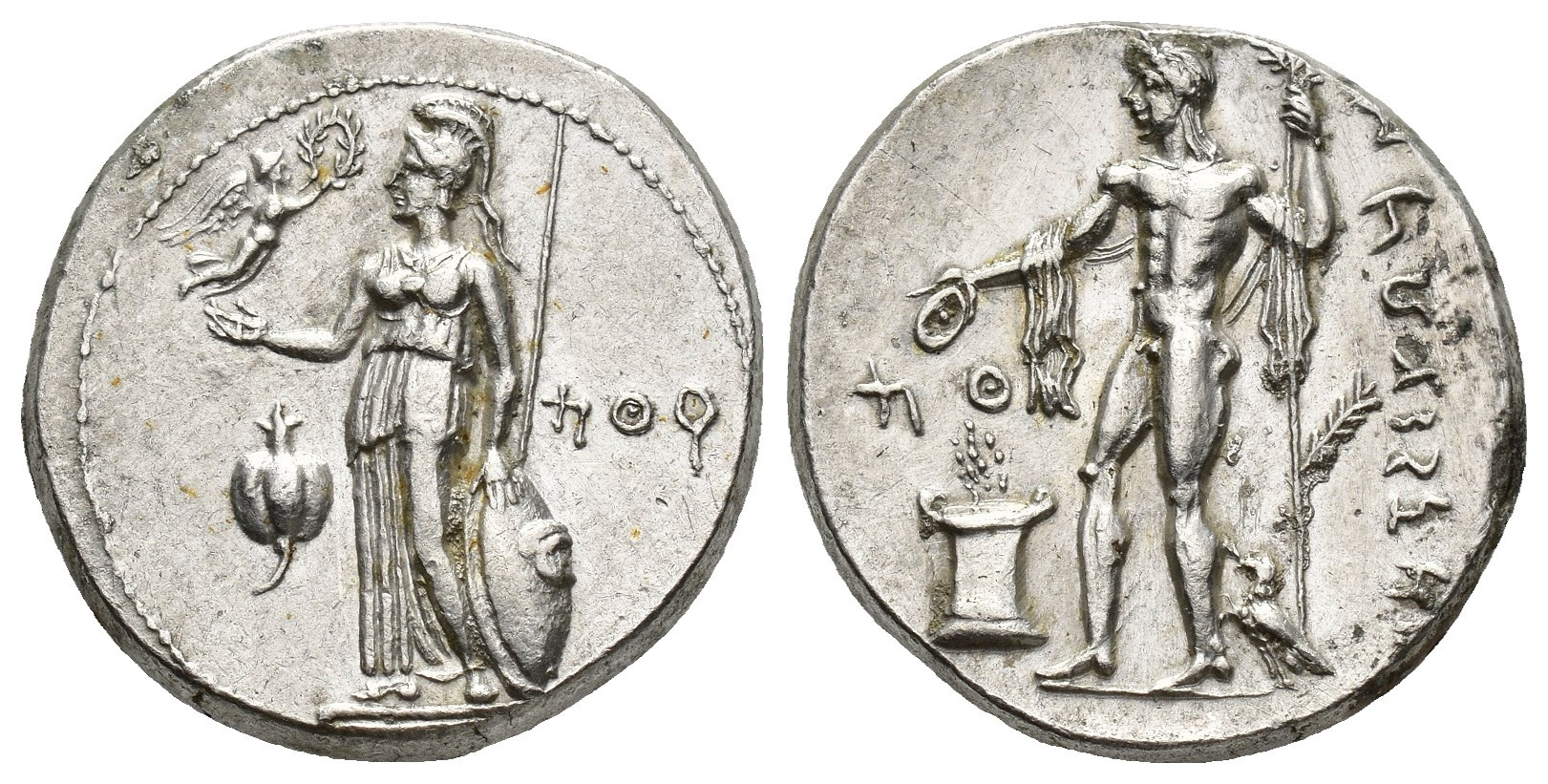
Figure 2. Pamphylia, Side. Stater, 4th century BC. Variant 1 – Apollo wearing a short chiton and cloak, with a quiver over his shoulder. SNG Copenhagen 31, 376.
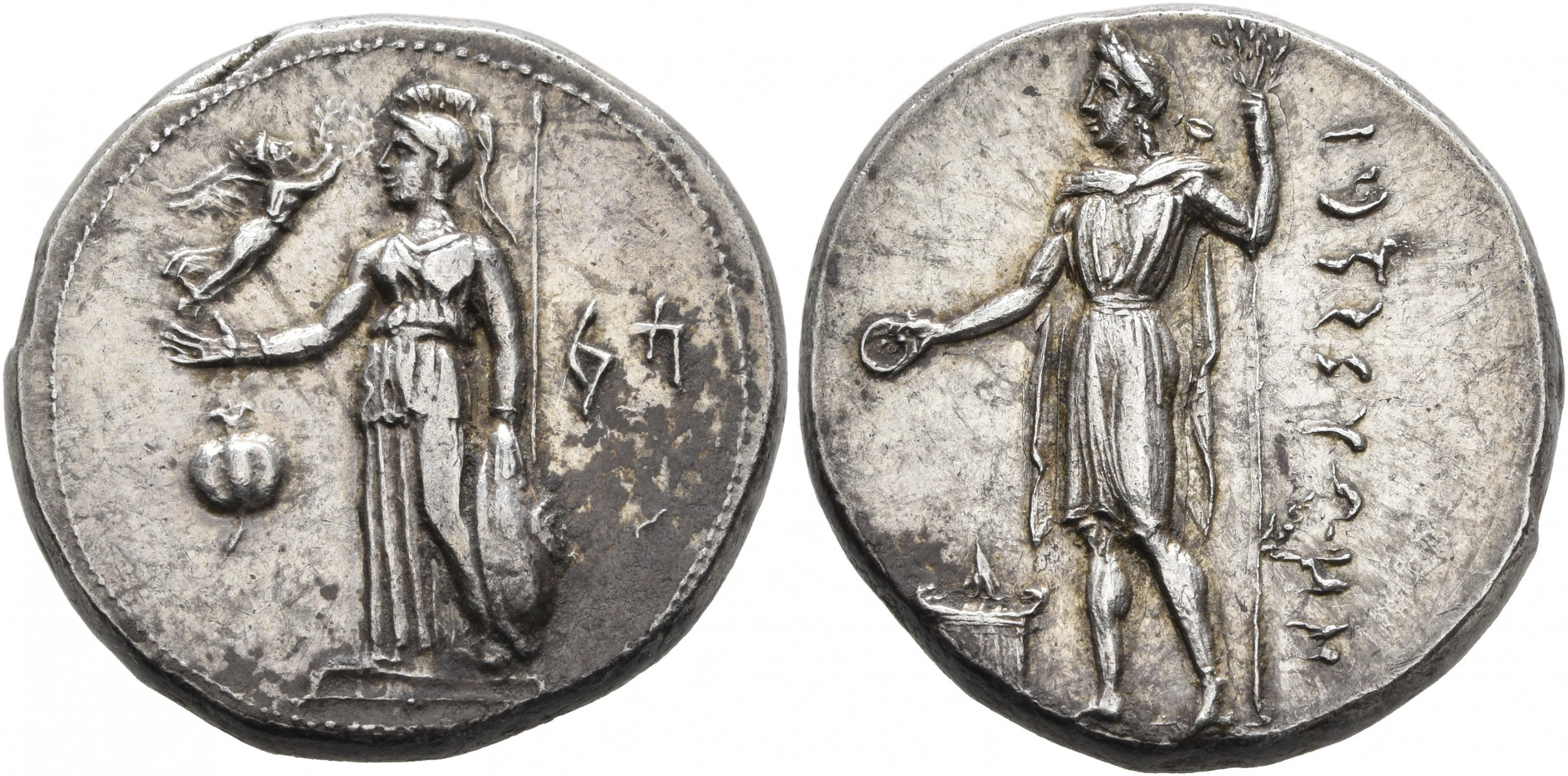
Figure 3. Pamphylia, Side. Stater, 4th century BC. Variant 2 – Apollo nude but for a chlamys over his shoulders, with a bird at the base of his laurel sceptre. SNG France 2, 652 var. (without the Sidetic letters above the altar and without the bird at the base of the laurel sceptre).
A similar combination of obverse and reverse types appears on staters depicting a coiled serpent at Athena’s feet (Figures 4–5).1 These staters are sometimes attributed to Side, but this attribution is uncertain because they lack the pomegranate, the city’s emblem.2 The Sidetic script indicates that they were minted in Pamphylia. They may therefore have been issued by a smaller Pamphylian city dependent on Side;3 alternatively, they may have been a special issue of Side itself, perhaps minted for a religious festival.4 For brevity, these coins are hereafter called Side-style staters. A related composition also appears on a gem found in 1884 during excavations at the ancient city of Kourion on the southern coast of Cyprus (near the present-day village of Episkopi, Limassol District), but Athena holds an aphlaston rather than Nike (Figure 6). Like the Holmoi coins, the gem may therefore allude to a naval victory or, more generally, to naval power. Its findspot, however, provides no evidence for its place of origin.5 A similar composition, with a snake at Athena’s feet, also appears on the reverse of a unique stater from the Thessalian region of Aeniania (Figure 7).6
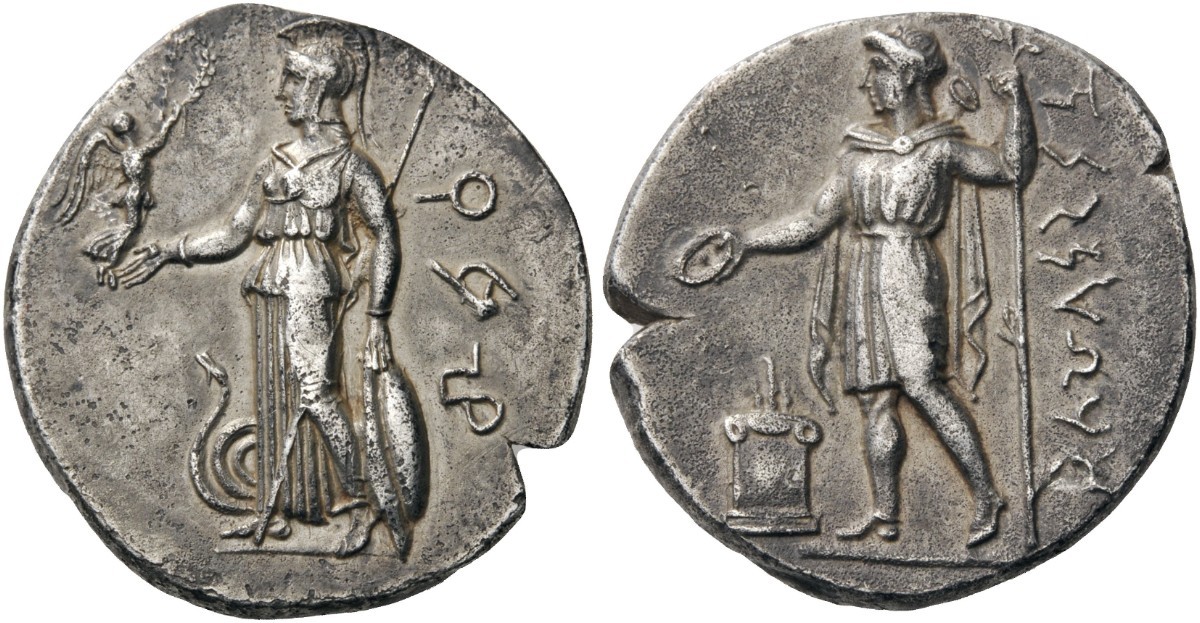
Figure 4. Pamphylia, Side-style. Stater, 4th century BC. Variant 1 – no object at the base of Apollo’s sceptre. Unpublished in standard references.
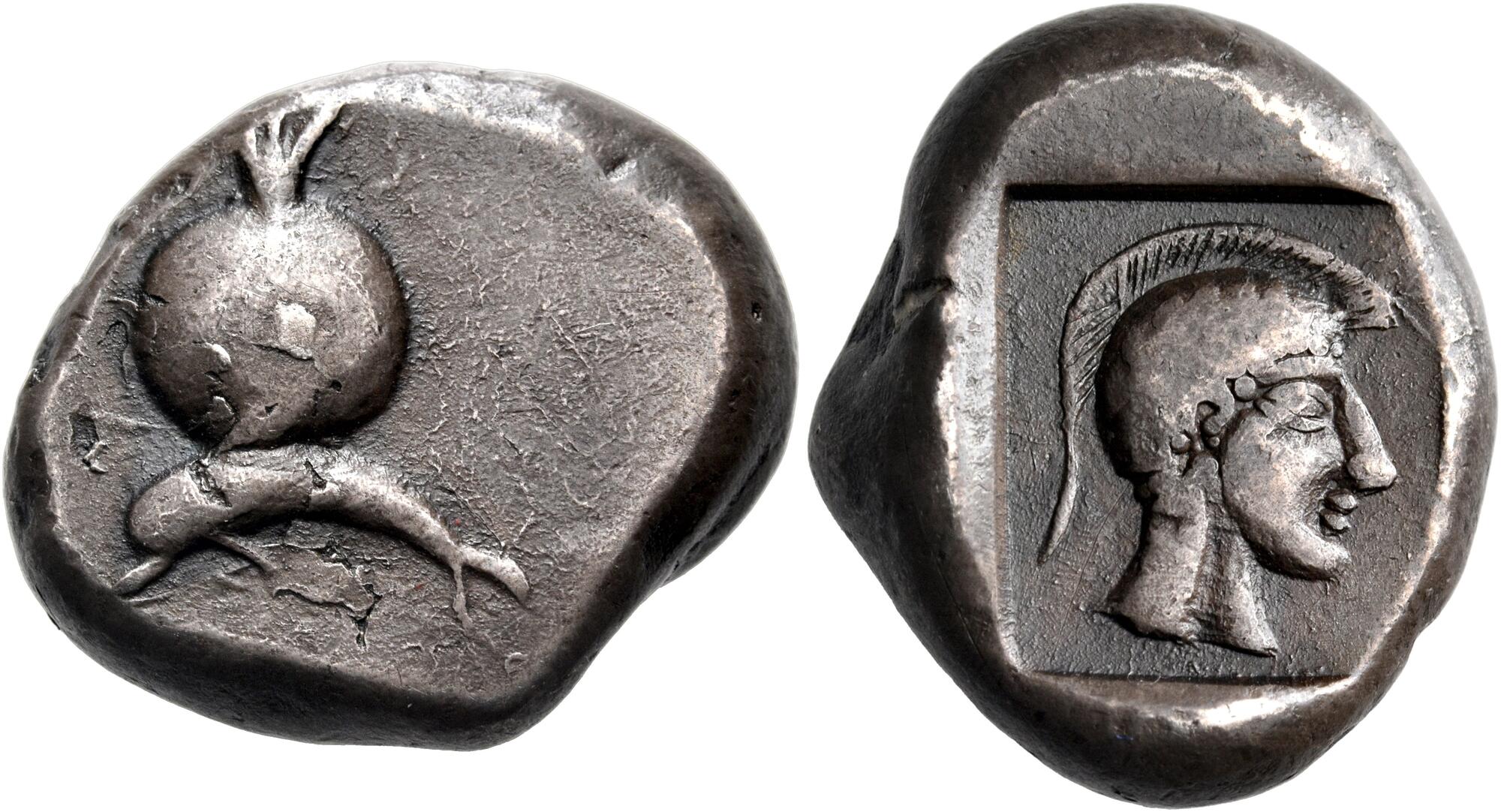
Figure 5. Pamphylia, Side-style. Stater, 4th century BC. Variant 2 – rock (or astragalos?) at the base of Apollo’s laurel sceptre. Unpublished in standard references.
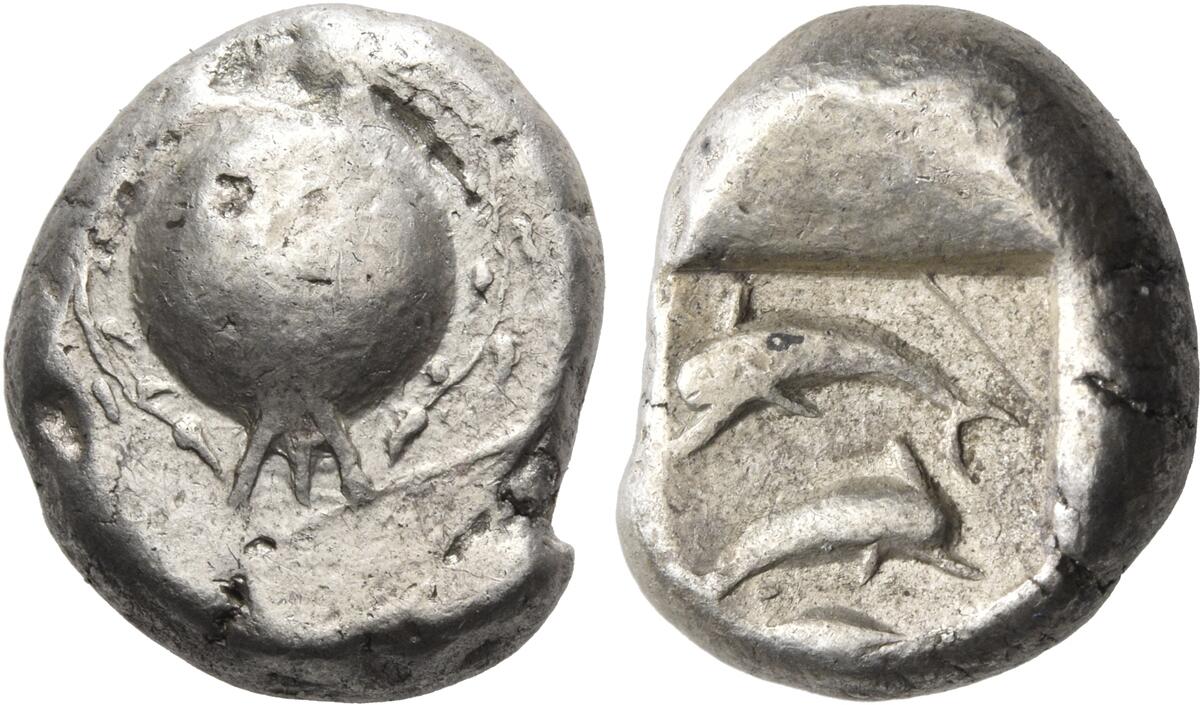
Figure 6. Cyprus, Kourion. Cornelian scaraboid, late 5th or early 4th century BC. Impression of the gem (left image) and its photograph (right image). The British Museum, museum number 1889,1111.1.
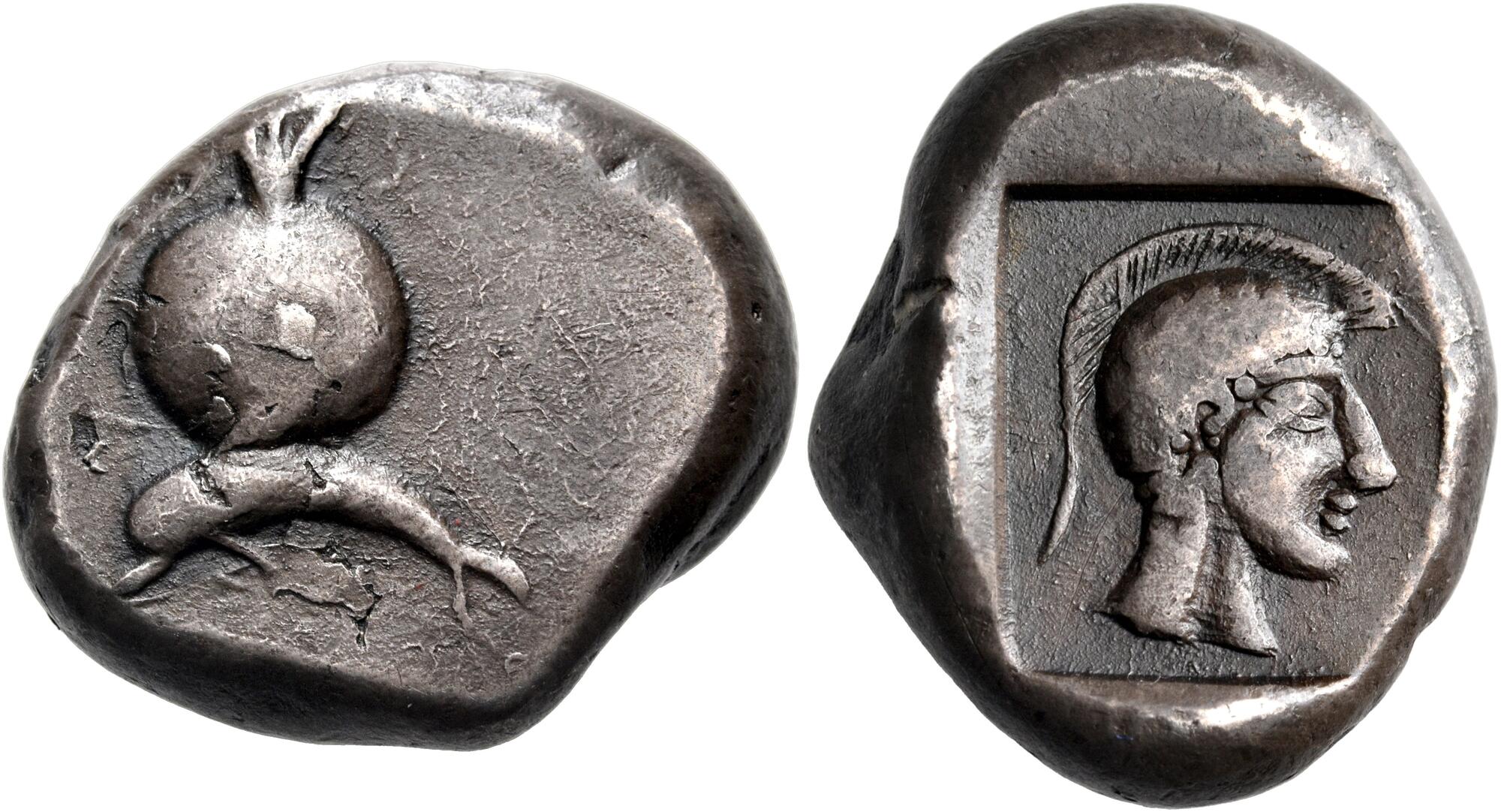
Figure 7. Thessaly, the Ainianes. Stater, c. 360s–350s BC. BCD Thessaly II, 1010 = Nomos AG, Auction 4 (10 May 2011), Lot 1010 = Numismatica Ars Classica NAC AG, Auction 140 (7 November 2023), Lot 75 (acsearch.info URL). Unpublished in standard references.
Side was founded by colonists from Aiolian Kyme in the 7th or 6th century BC, and Athena and Apollo were its main deities, although the surviving remains of temples dedicated to them date to the Roman period.7 This accords with their depiction on these staters. Athena and Apollo were probably also the main deities of Holmoi, as they are depicted on all denominations and coin types of Group 2; the sole exception is Type 2.3, whose obols depict another male deity in place of Apollo.
A pomegranate, the city’s emblem, appears in the left field of the obverse of these Side staters. The Holmoi staters have a dolphin in the same position; it also appears on the reverse of the third staters of Type 1.3 and likewise seems to have served as a civic emblem. On 5th-century Side staters, a pomegranate and a dolphin sometimes appear together on the obverse; in other cases, a pomegranate appears on the obverse and one dolphin (either as the principal or as a secondary type) or two dolphins on the reverse. Figures 8–9 illustrate some of these types, although further variants are known. This is probably unrelated to Holmoi, since the dolphin was a common symbol on coins of port cities. The Side-style staters, by contrast, have no such symbol on the obverse. Unlike the pomegranate and dolphin, the coiled serpent does not appear as an independent symbol but forms part of the depiction of Athena as one of her traditional attributes; it is therefore not a mint symbol.
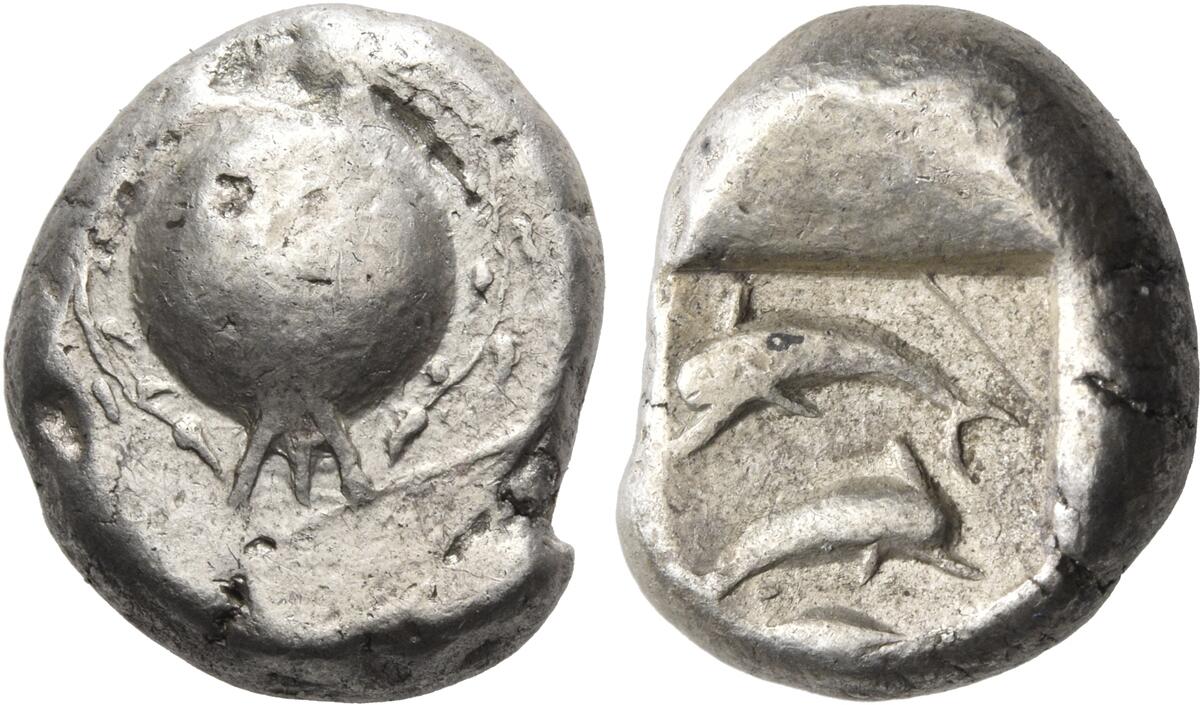
Figure 8. Pamphylia, Side. Stater, 5th century BC. SNG France 2, 625; SNG Copenhagen 31, 368.
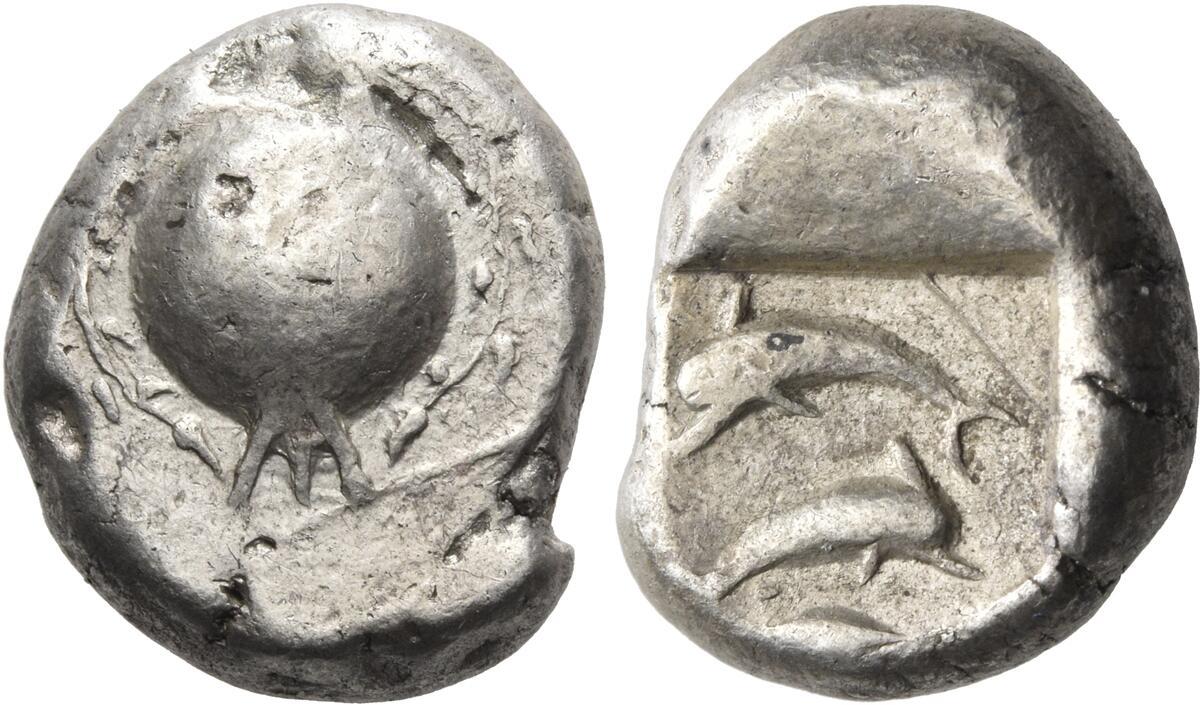
Figure 9. Pamphylia, Side. Stater, 5th century BC. Babelon 1907, p. 539, no. 992 (plate XXIV, 13).
In addition to their civic symbols, the Holmoi, Side, and Side-style staters differ in a number of other features, although their overall compositions are strikingly similar. Tables 1 and 2 compare their obverses and reverses, respectively.
| Feature | Holmoi | Side | Side-style |
|---|---|---|---|
| object held by Nike | aphlaston | wreath | wreath |
| Athena’s robe | draped | folded into straight pleats | folded into straight pleats |
| secondary symbol | dolphin | pomegranate | none |
| position of the lower end of the spear | to the right of Athena’s shield | behind Athena’s shield | leaning on Athena’s thigh |
| inscription | none (variants 2.1a–c) or ΔΙ in right field (variant 2.1d) | Sidetic script | Sidetic script |
| border | dotted | dotted | none |
Table 1: Comparison of obverses
| Feature | Holmoi | Side | Side-style |
|---|---|---|---|
| lower left field | empty | lit altar | lit altar |
| Apollo | half-draped in a himation | wearing a short chiton and cloak, with a quiver over his shoulder or nude but for a chlamys over his shoulders |
wearing a short chiton and cloak, with a quiver over his shoulder |
| object at the base of Apollo’s sceptre | none | none or bird |
none or rock (or astragalos?) |
| secondary mark | none (variants 2.1a–b) or Α in upper left field (variants 2.1c–d) | none or Sidetic letters above altar | none |
| inscription | Greek city ethnic | Sidetic script | Sidetic script |
Table 2: Comparison of reverses
Despite these differences, the similarity between these coin types is striking. It is nevertheless unlikely that Side adopted the design of the Holmoi staters, for two reasons. First, Side was a much more important city than Holmoi, as evidenced by the volume of its coinage in the 5th and 4th centuries BC. It is therefore unlikely to have adopted the design of a minor city for its highest coin denomination. Second, in the early 4th century BC, Side minted somewhat different staters featuring Athena and Apollo (see footnote 4). The Holmoi-like staters therefore did not emerge abruptly but resulted from the evolution of Side’s stater designs during the 4th century BC.
This similarity may therefore be explained in one of three ways:
| 1. | The decision to mint these coins may have been made at a supra-civic level. The city mints may therefore have been required to follow the same design, or the coins may have been produced at a central mint for Persian military purposes (de Callataÿ 2022, pp. 6–7 and 20–21). This is a plausible explanation, although the considerable distance between the two cities weighs somewhat against it. Holmoi and Side are about 230 km apart as the crow flies, but a direct overland route is impossible because of the mountainous terrain; the distance along the coast is about 270 km.8 It is unclear why two such distant cities in different regions would have been commissioned to mint coins (or have coins minted for them) with the same design. |
| 2. | A monetary convention may have existed between Holmoi and Side for a time in the 4th century BC (BMC 19, p. lxxxi). However, the economic rationale for such a convention is unclear, given that Side was a much more important city than Holmoi and that the two cities lay far apart. |
| 3. | Holmoi and Side worshipped the same pair of gods, Athena and Apollo. There may therefore have been some form of religious bond between the cities, and they may have participated in shared cult observances during festivals dedicated to these deities. This might explain why Holmoi borrowed Side’s design for its highest coin denomination. Moreover, the early Holmoi coin types likewise drew on designs from Kelenderis and Phaselis (see the catalogue sections Holmoi, Group 1, and Ships on early Holmoi coins). This proposed cultic explanation, however, remains entirely speculative. |
None of these possible explanations is entirely satisfactory, yet none can be ruled out with confidence.
| Credits: | |
| Figure 1: | Gorny & Mosch Giessener Münzhandlung, Auction 200 (10 October 2011), Lot 1970 (acsearch.info URL). |
| Figure 2: | Papillon Numismatic, Auction 8 (19 September 2021), Lot 261 (acsearch.info URL). |
| Figure 3: | Leu Numismatik, Auction 11 (14 May 2022), Lot 148 (acsearch.info URL). |
| Figure 4: | Nomos AG, Auction 12 (22 May 2016), Lot 108 (acsearch.info URL). |
| Figure 5: | CGB Numismatics Paris, Internet Auction August 2024 (20 August 2024), Lot 931027 (acsearch.info URL). |
| Figure 6: | The British Museum (London), museum number 1889,1111.1. |
| Figure 7: | Numismatica Ars Classica NAC AG, Auction 140 (7 November 2023), Lot 75 (acsearch.info URL). |
| Figure 8: | Nomos AG, Auction 33 (9 June 2024), Lot 1416 (acsearch.info URL). |
| Figure 9: | Nomos AG, Auction 24 (22 May 2022), Lot 217 (acsearch.info URL). |
1 Known specimens of variant 1 (no object at the base of Apollo’s sceptre):
| • | Nomos AG, Auction 12 (22 May 2016), Lot 108 (acsearch.info URL). 10.64 g. |
| • | Classical Numismatic Group, Mail Bid Sale 78 (14 May 2008), Lot 895 (acsearch.info URL). Ex The New York Sale, Auction 160 (9 October 2007), Lot 1590 (acsearch.info URL). 10.66 g. |
| • | Nomos AG, Auction 24 (22 May 2022), Lot 216 (acsearch.info URL). 10.77 g. Ex The New York Sale, Auction 51 (12 January 2021), Lot 19 (acsearch.info URL). Ex Hess Divo AG, Auction 335 (6 December 2018), Lot 50 (acsearch.info URL). Ex Spink, Auction 1012 (1 December 2010), Lot 1255 (Spink URL). Ex Bank Leu (LHS Numismatik, Zurich, Switzerland), Auction 61 (17 May 1995), Lot 161 (Gallica URL). |
| • | Fritz Rudolf Künker GmbH & Co. KG, Auction 402 (14 March 2024), Lot 369 (acsearch.info URL). 10.83 g. |
| • | Roma Numismatics Limited, E-Sale 104 (15 December 2022), Lot 387 (acsearch.info URL). Weight not stated. |
Variant 2 (rock or astragalos at the base of Apollo’s laurel sceptre):
| • | Artemide Aste s.r.l., Auction 71E (5–6 July 2025), Lot 203 (biddr.com URL). Ex CGB Numismatics Paris, Internet Auction August 2024 (20 August 2024), Lot 931027 (acsearch.info URL). |
2 The Greek word side (σίδη) denotes both the pomegranate fruit and the tree.
3 Such a city may be represented by the ruins located approximately 15 km as the crow flies north of Side, near the village of Bucakşeyhler (Şıhlar), where an inscription in Sidetic script was found in 1972 (Zinko and Zinko 2019, p. 424; Nollé 1988, p. 258). Nollé 1988 identifies these ruins as those of Lyrbe, a city mentioned by several ancient authors (Dionysius of Alexandria, Guide to the Inhabited World, 85; Ptolemy, Geography, 5.5.8; Pseudo-Epiphanius, Notitia Episcopatuum, 4.8). However, the identification of this settlement as Lyrbe is not entirely certain, nor is the date at which the site was first settled.
4 The absence of the pomegranate as the emblem of Side does not necessarily mean that these coins were struck at a different mint. This is demonstrated by Side staters from the first quarter of the 4th century BC, which show Athena holding an owl and a shield on the obverse and Apollo holding a laurel branch and a bow on the reverse. Both issues with the pomegranate in the left field of the obverse (e.g. BMC 19, p. 145, 12 = The British Museum, 1851,0401.5, and 14 = The British Museum, RPK,p163B.1.Asi) and issues without it (e.g. BMC 19, p. 144, 11 = The British Museum, 1844,0425.481) are known.
5 For more detailed information and discussion of this gem, see Boardman 1972 (p. 198, Pl. 486), Richter 1968 (p. 82, no. 242), and the curator’s comments in the British Museum online catalogue (museum number 1889,1111.1).
6 The coiled serpent at Athena’s feet also appears on coins from some other mints, including obols from Pharkadon in Thessaly (late 5th to early 4th century BC) and bronze coins from Chalkedon in Bithynia (first half of the 3rd century BC). See, for example, Nomos AG, Auction 4 (10 May 2011), Lot 1273 (acsearch.info URL); Nomos AG, Obolos Web Auction 5 (26 June 2016), Lot 279 (acsearch.info URL).
7 Stillwell et al. 1976, pp. 835–6 (Side).
8 Coordinates of Side: 36.768, 31.391 (source: ToposText, Side); coordinates of Holmoi: 36.320, 33.878 (source: ToposText, Holmoi).
7 April 2025 – 6 September 2026