Goats depicted on Kelenderis coins have horns whose tips curve upwards. Such depictions were common on coins of the Archaic and Classical periods in many regions of the Greek world, as illustrated by the examples in Figures 1–7. Goats with similarly curved horn tips also appear on Archaic and Classical pottery.1
Coin types depicting goats with horns forming a simple arc are less common. Coins from Paros in the Cyclades show goats both with upturned horn tips and with simple arc-shaped horns (Figures 8–9). Arc-shaped horns are also known from Samaria (Figure 10). However, this simple horn shape occurs quite frequently on pottery, seals, and other objects dating back to the Bronze Age.2
The bezoar ibex (Capra aegagrus aegagrus), which inhabits the Taurus Mountains and other parts of Anatolia, as well as the Caucasus and the Zagros Mountains, was probably common in Cilicia Trachea. Males of this species, however, have horns forming a simple arc (Figure 11). Nevertheless, there may be, or may once have been, a population or form of these wild goats with horn tips curved like those on the Kelenderis coins, since similarly shaped horns also occur in the Western Iberian ibex (Capra pyrenaica victoriae, also called the Gredos ibex).3 Horns of this shape also occur in several other kinds of wild goat and in several domestic breeds.4
It is therefore impossible to determine with certainty whether the goats on the Kelenderis coins were modelled on a local form of the bezoar ibex or on a local breed of domestic goat (see also the page The κέλης and the κελάδες). Moreover, as the coins from Paros mentioned above show, goats with different horn shapes may have occurred in the same region.
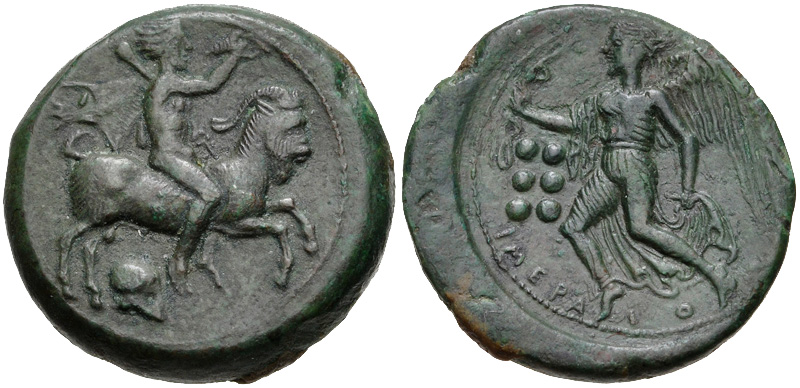
Figure 1. Sicily, Himera, c. 425–409 BC, AE Hemilitron.
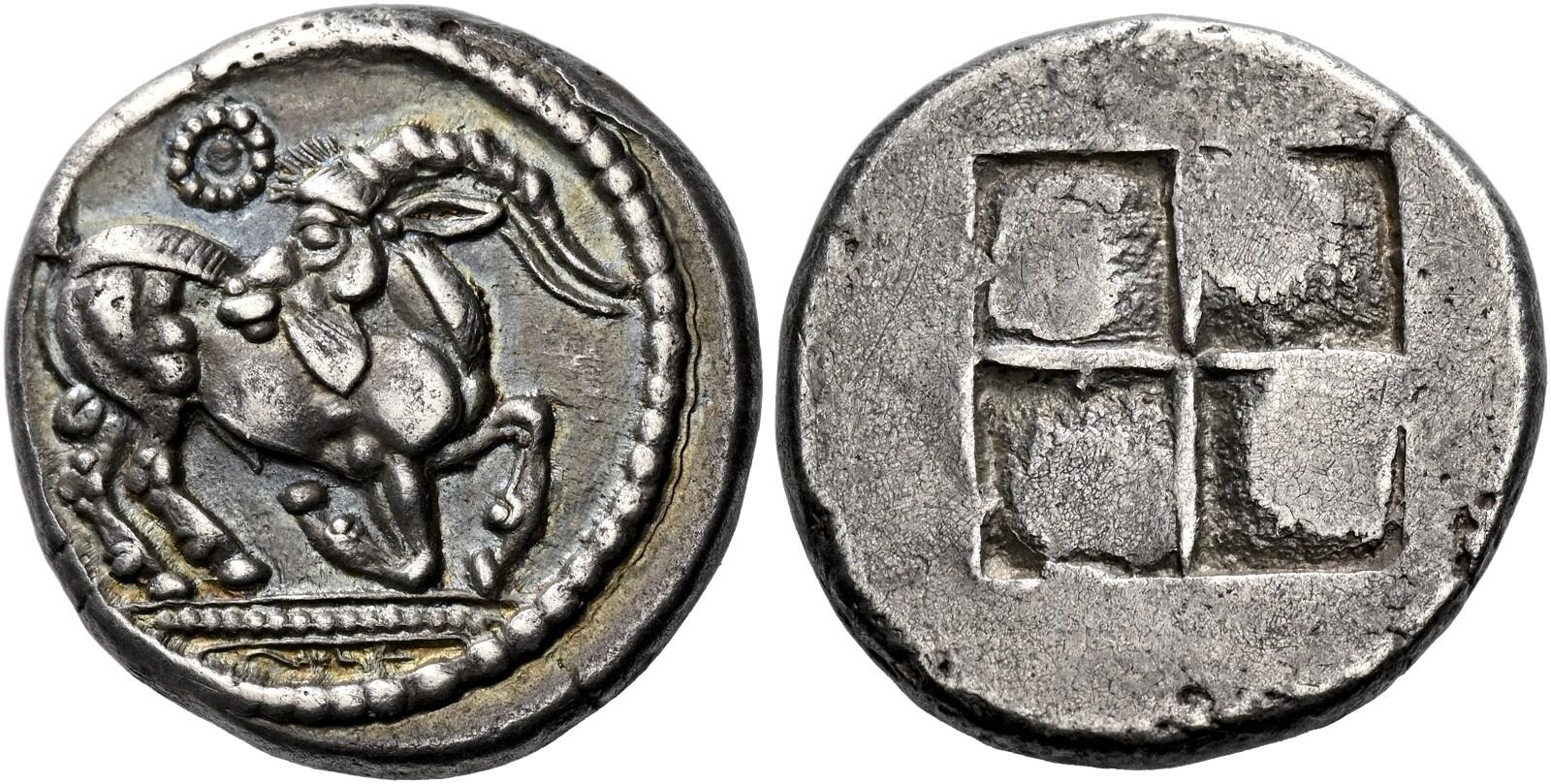
Figure 2. Thraco-Macedonian tribes, c. 485–480 BC, AR Stater.
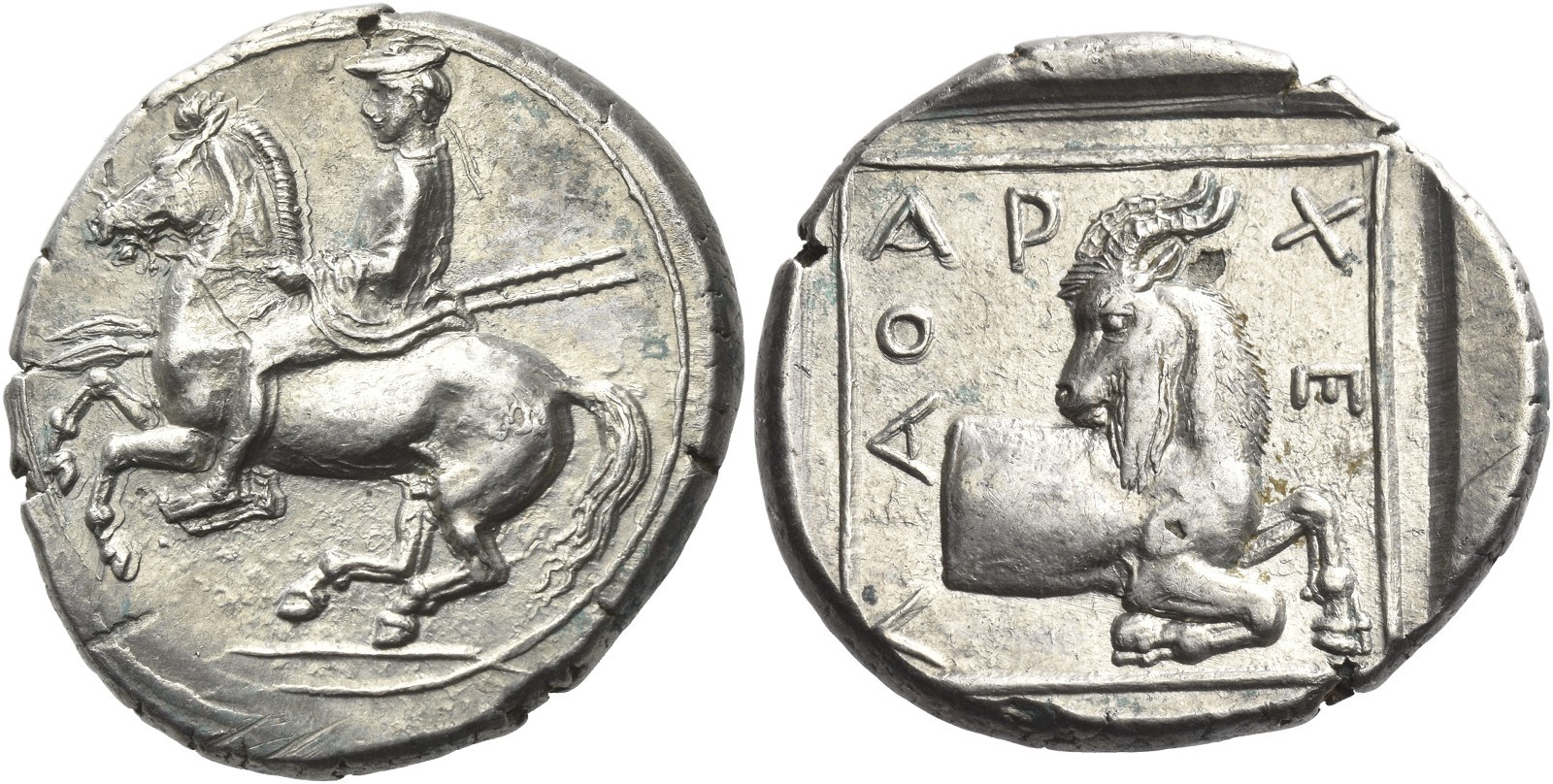
Figure 3. Kingdom of Macedon, Archelaos, Aigai mint, c. 413–399 BC, AR Stater.
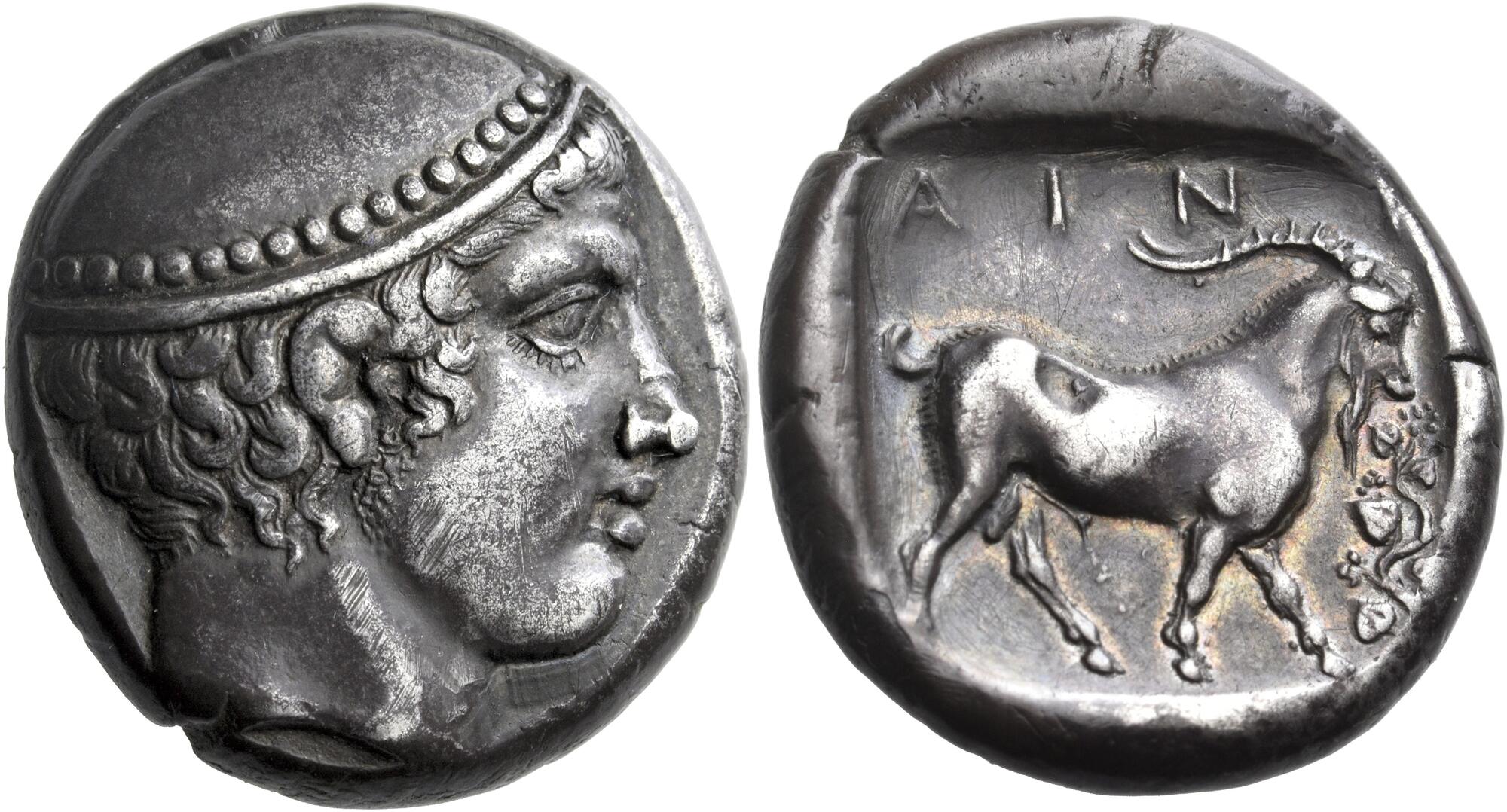
Figure 4. Thrace, Ainos, c. 412/1–410/09 BC, AR Tetradrachm.
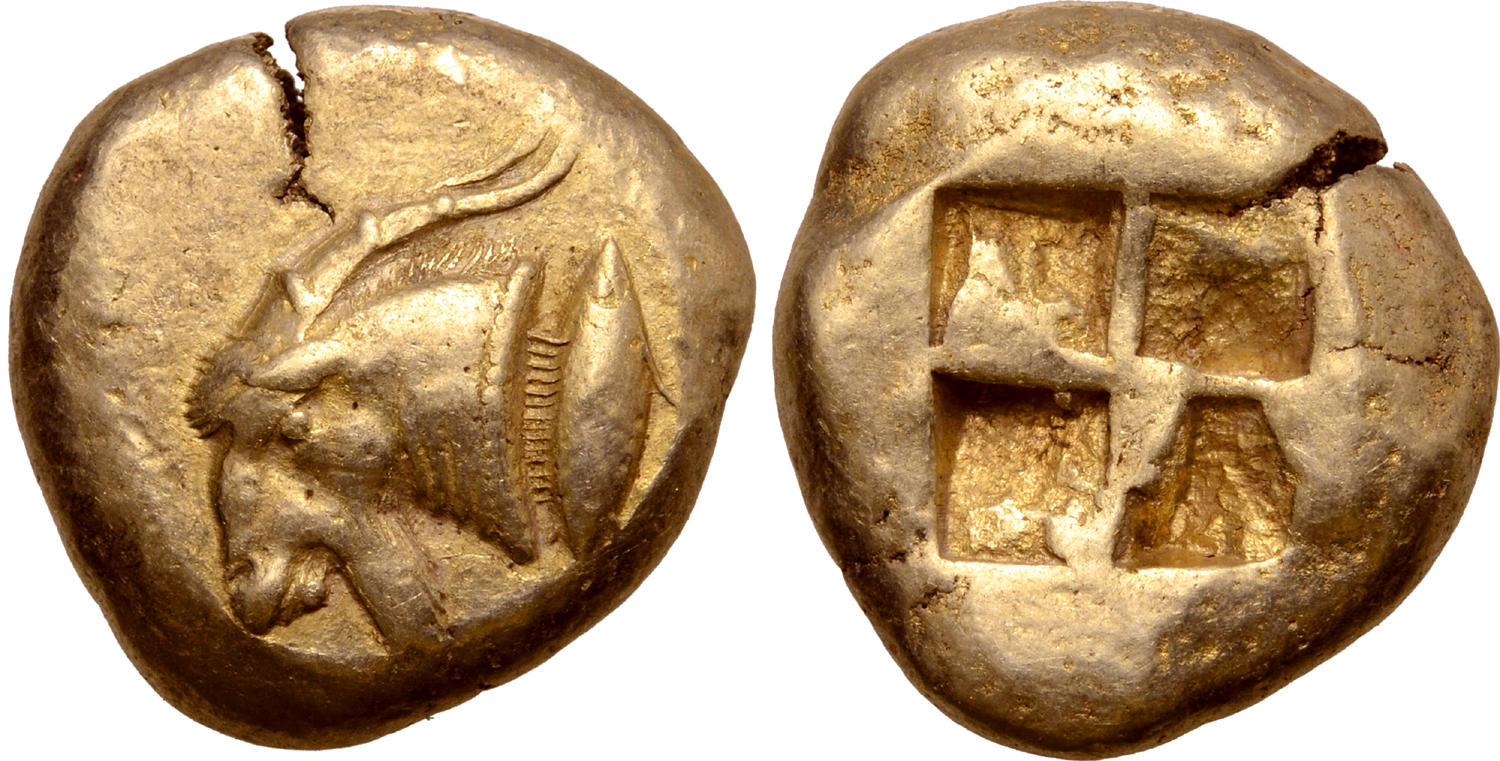
Figure 5. Mysia, Kyzikos, c. 550–500 BC, EL Stater.
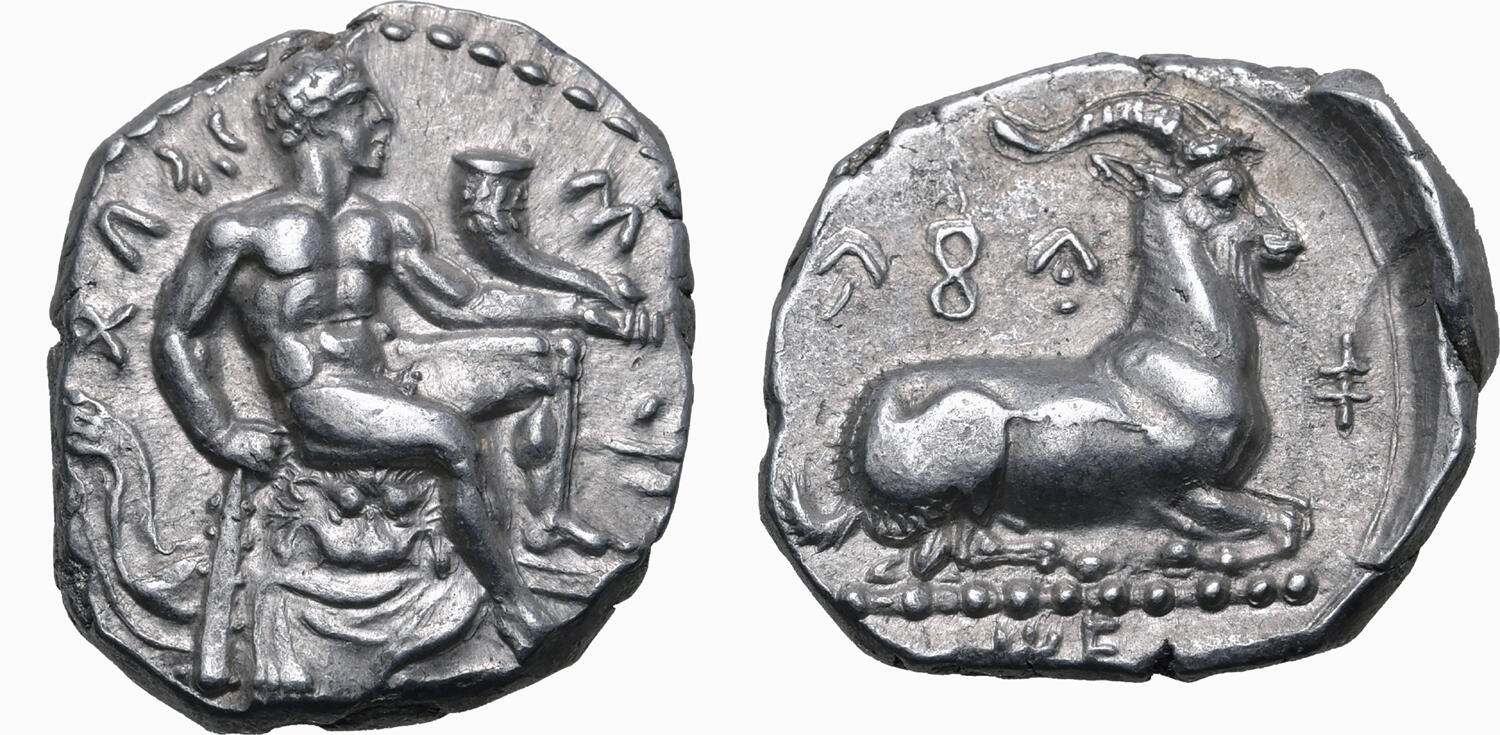
Figure 6. Cyprus, Salamis, Evagoras I, c. 411–374 BC, AR Stater.
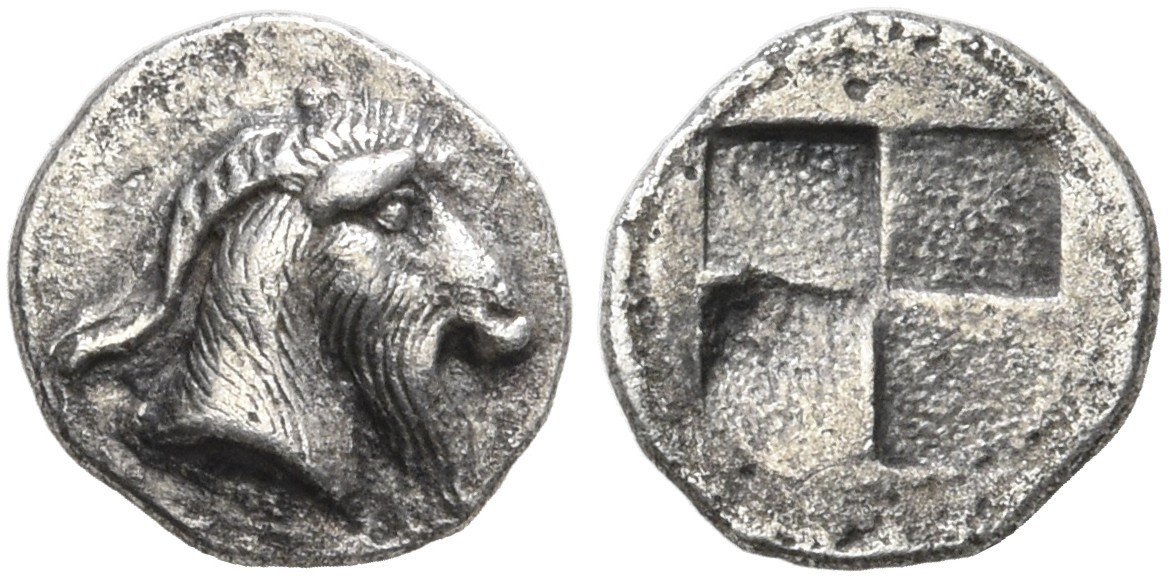
Figure 7. Asia Minor, uncertain mint, c. 5th century BC, AR Hemiobol.
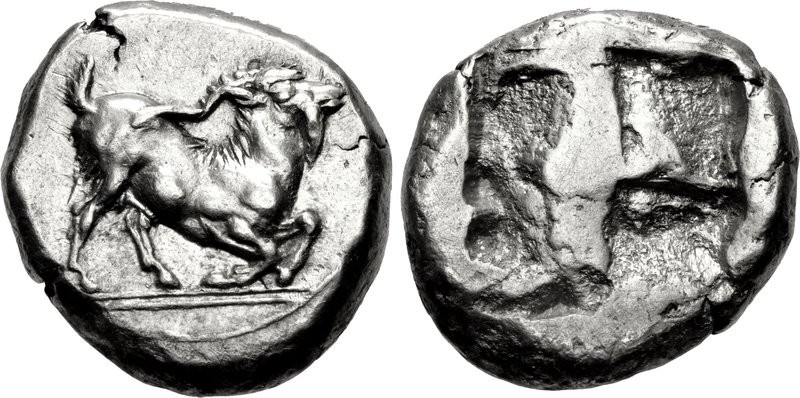
Figure 8. Cyclades, Paros, c. 475 BC, AR Drachm.
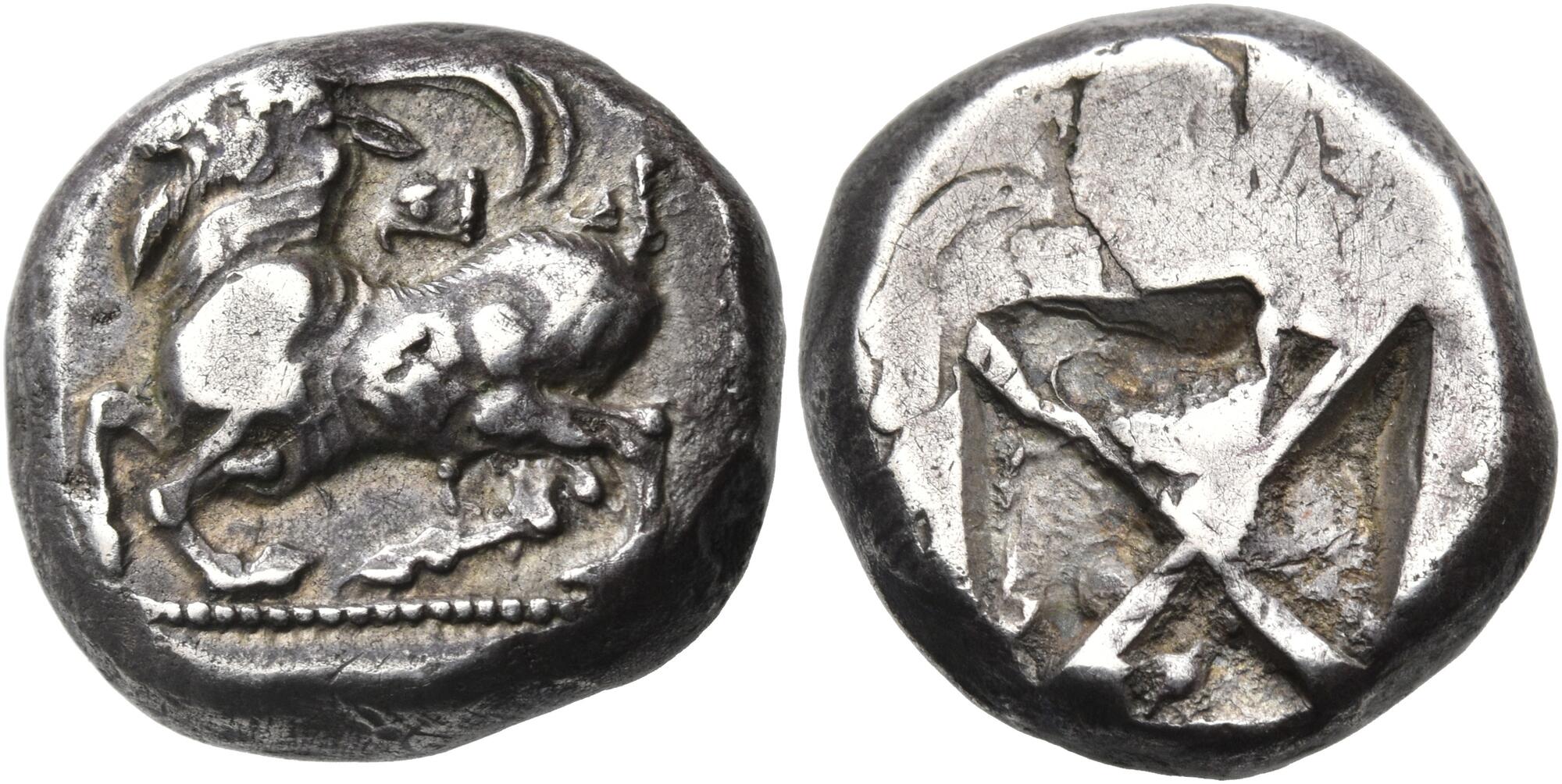
Figure 9. Cyclades, Paros, c. 500–497/5 BC, AR Drachm.
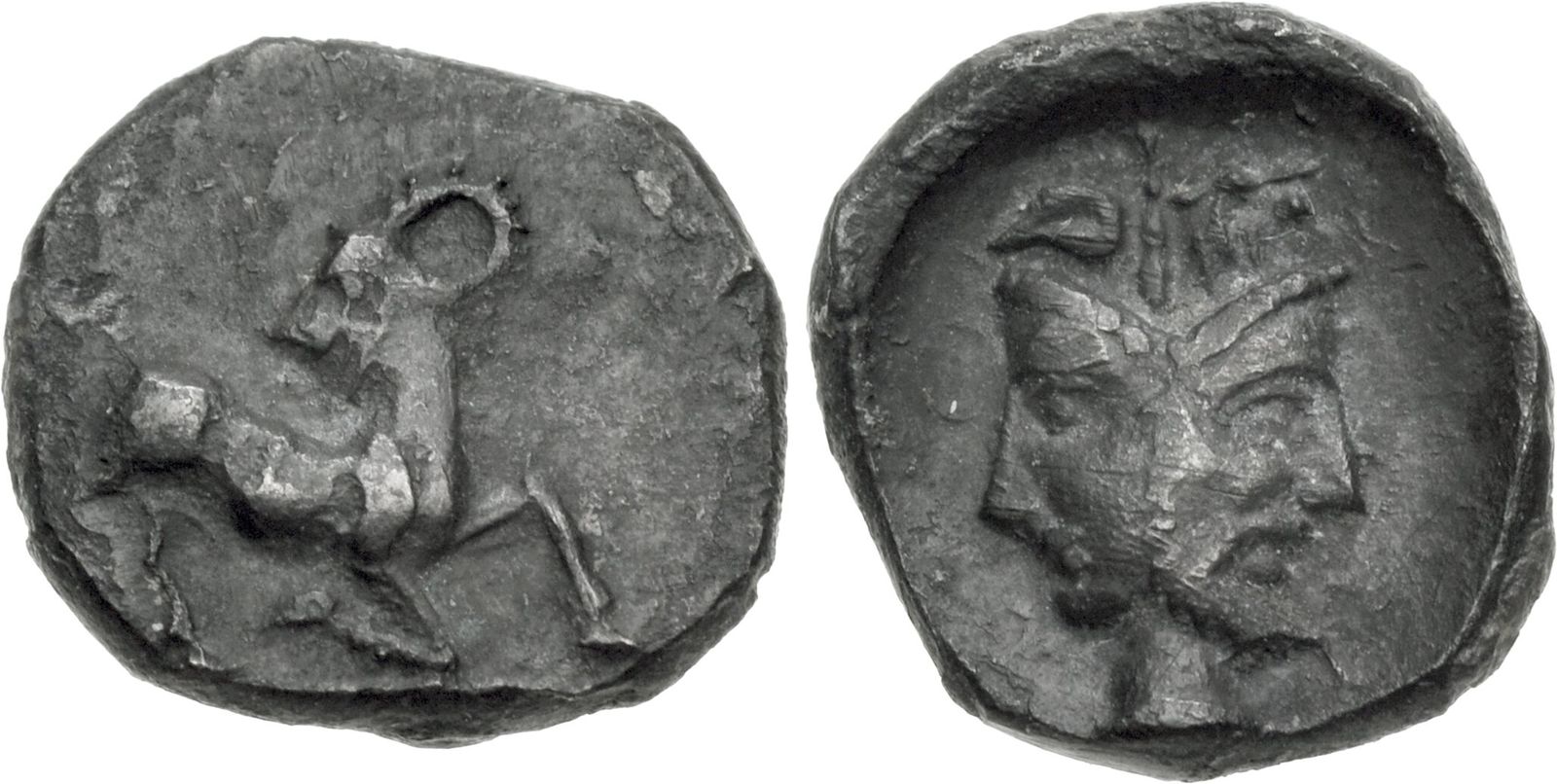
Figure 10. Samaria, c. 375–333 BC, AR Obol.
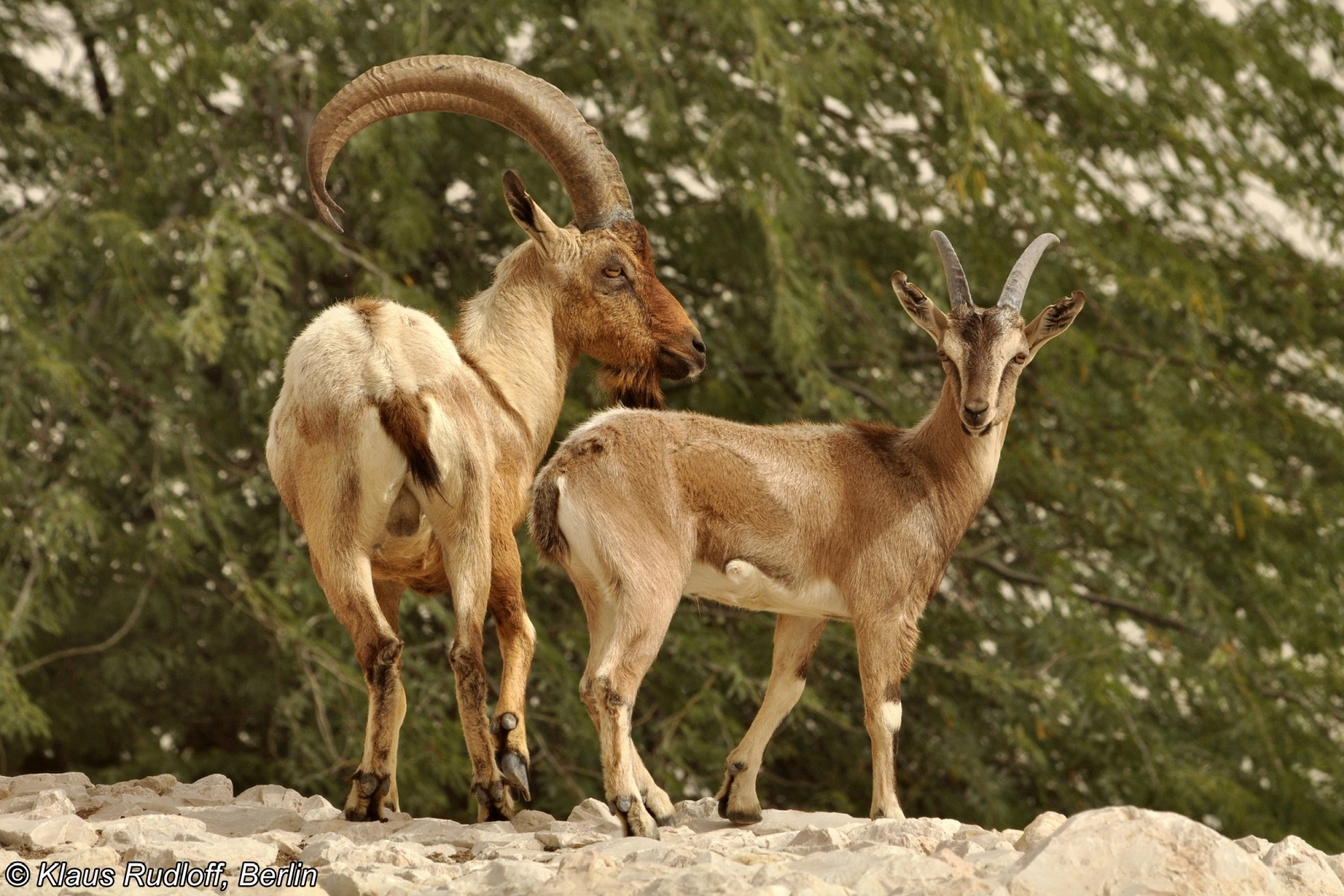
Figure 11. Bezoar ibex (Capra aegagrus aegagrus), male and female.
Author: Klaus Rudloff (e-mail: kdrudloff(at)web.de).
Source: BioLib.cz / https://www.biolib.cz/en/image/id466342/.
| Credits: | |
| Figure 1: | Classical Numismatic Group, Electronic Auction 249 (9 February 2011), Lot 16 (acsearch.info URL). |
| Figure 2: | Numismatica Ars Classica NAC AG, Auction 154 (19 May 2025), Lot 1158 (acsearch.info URL). |
| Figure 3: | Numismatica Ars Classica NAC AG, Auction 158 (5 November 2025), Lot 16 (acsearch.info URL). |
| Figure 4: | Nomos AG, Auction 30 (6 November 2023), Lot 1263 (acsearch.info URL). |
| Figure 5: | Roma Numismatics Limited, Auction 17 (28 March 2019), Lot 459 (acsearch.info URL). |
| Figure 6: | Roma Numismatics Limited, Auction 23 (24 March 2022), Lot 352 (acsearch.info URL). |
| Figure 7: | Leu Numismatik, Web Auction 20 (16 July 2022), Lot 1387 (acsearch.info URL). |
| Figure 8: | Nomos AG, Auction 33 (9 June 2024), Lot 1225 (acsearch.info URL). |
| Figure 9: | Classical Numismatic Group, Triton XVIII (6 January 2015), Lot 554 (acsearch.info URL). |
| Figure 10: | Classical Numismatic Group, Electronic Auction 600 (3 December 2025), Lot 220 (acsearch.info URL). |
| Figure 11: | Klaus Rudloff, BioLib.cz / https://www.biolib.cz/en/image/id466342/. |
1 See, for example, the following objects in the Metropolitan Museum of Art, New York: 1979.11.7 (Corinthian krater, c. 580–550 BC); 2011.604.3.1384 (fragment of an Attic skyphos, early 5th century BC); and 21.88.80 (Attic oinochoe, c. 400 BC).
2 See, for example, the following objects in the Metropolitan Museum of Art, New York: 59.52 (Central Iranian storage jar, c. 4000–3600 BC); 74.51.4371 (Cypriot seal, c. 15th–13th century BC); 26.31.328 (Minoan serpentine lentoid, c. 1400–1375 BC); 74.51.552 (Cypriot terracotta jug, c. 750–600 BC); 55.71.9 (East Greek krater fragment, 6th century BC); and 1979.446 (Persian rhyton, c. 4th century BC).
3 See, for example, Wikipedia.org, Capra pyrenaica victoriae.
4 See BioLib.cz: Capra aegagrus f. hircus “Cameroon Dwarf”, Capra aegagrus f. hircus “Cashmere”, Capra aegagrus f. hircus “Hercynian”, Capra aegagrus f. hircus “Juan Fernandez”, Capra aegagrus f. hircus “Ovambo”, and Capra aegagrus f. hircus “Orobica”.
10 November 2025 – 6 September 2026